Stepping into a cool, comfortable home on a blistering summer day is one of life’s simple pleasures. But getting there involves a major decision. As you start your research, you’ll quickly run into the main event in the HVAC world: the Split Vs Central Air Conditioner Comparison. It can feel like a heavyweight fight, with both contenders packing a serious punch. Which one is the champion for your home? Don’t sweat it. I’m here to break it all down, piece by piece, so you can make a choice you’ll be happy with for years to come.
So, What’s the Real Difference, Anyway?
Before we dive into the nitty-gritty, let’s get the basics straight. It’s not as complicated as it sounds, I promise. Think of it like this:
- Central Air Conditioners: This is the traditional system you’re probably most familiar with. It’s the “all-or-nothing” approach. A large outdoor unit (the compressor/condenser) works with a large indoor unit (the evaporator coil/air handler) to cool air and distribute it throughout your entire house using a network of ducts hidden in your walls, ceilings, or attic.
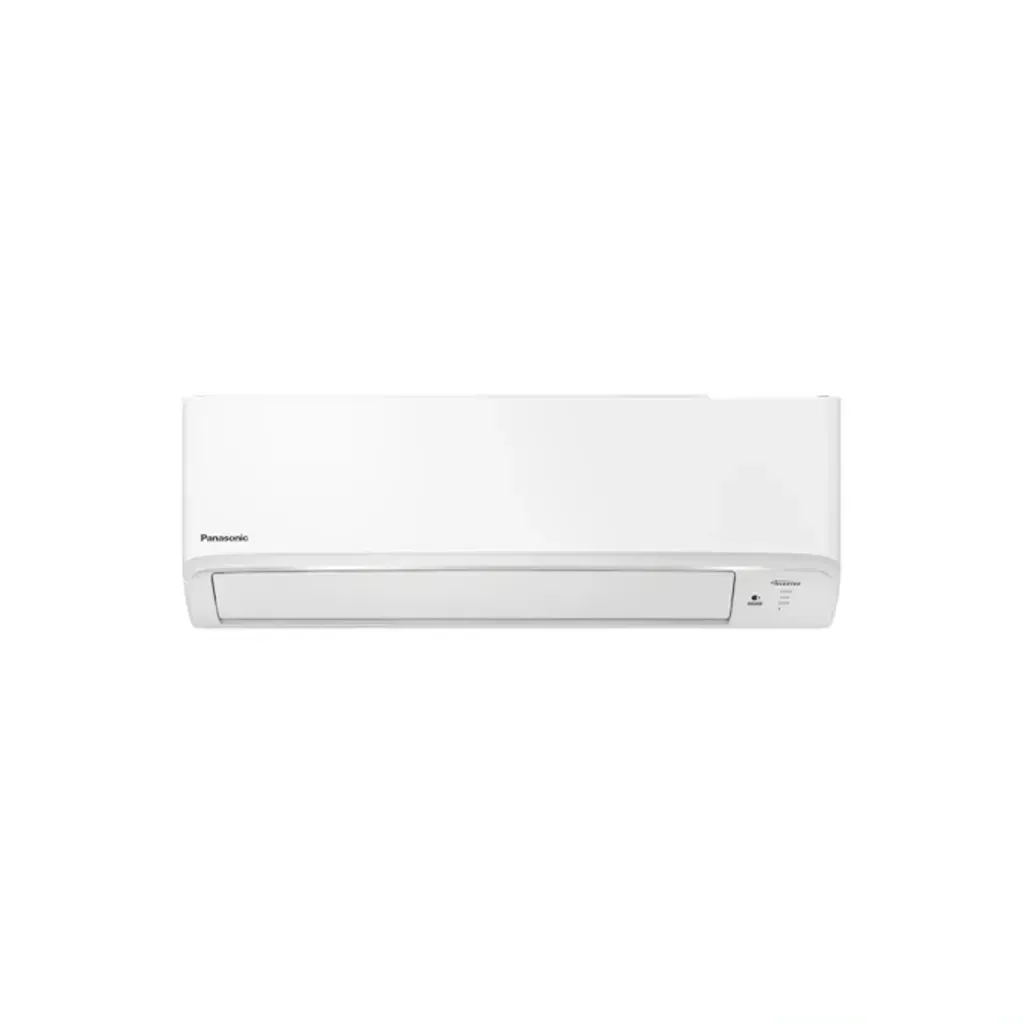
- Ductless Mini-Split Air Conditioners: These are the new kids on the block, gaining popularity for their flexibility. A “split” system also has an outdoor unit, but it connects directly to one or more indoor “heads” or air handlers mounted on the wall or ceiling in specific rooms. The key difference? No ducts required.
Understanding this fundamental difference—ducts vs. no ducts—is the first step in our split vs central air conditioner comparison.
A Peek Under the Hood: How They Actually Work
To really appreciate the pros and cons, it helps to know what’s happening behind the scenes.
The Central Air Conditioner Explained
A central AC system is a true team player. The outdoor unit compresses refrigerant, a special fluid, to make it very hot. This hot fluid then moves through coils, and a large fan blows outdoor air over them, releasing the heat and cooling the refrigerant down. This now-cool liquid refrigerant is pumped inside to the indoor coil. Your furnace’s blower fan pulls warm air from your house, blows it over this icy-cold coil, and voilà—cold air is pushed through your ductwork into every room. It’s an elegant, powerful, and integrated system.
The Ductless Mini-Split System Explained
A mini-split works on the same basic principle of heat exchange, but on a smaller, more targeted scale. The outdoor unit connects to the indoor head(s) via a thin conduit containing the power cable and refrigerant lines. Each indoor head has its own fan and evaporator coil. It pulls warm air from that specific room, cools it, and blows it back out. This gives you room-by-room temperature control, often called “zoning.”
The Main Event: A Head-to-Head Comparison
This is where the real decision-making happens. Let’s put these two systems side-by-side in a detailed split vs central air conditioner comparison across the categories that matter most to you as a homeowner.
| Feature | Central Air Conditioner | Ductless Mini-Split System |
|---|---|---|
| Installation Cost | High initial cost, especially if ductwork needs to be installed or repaired ($5,000 – $12,000+). | Lower initial cost for a single-zone unit ($3,000 – $7,000). Cost increases with each additional indoor head. |
| Energy Efficiency | Can be very efficient (SEER ratings of 16-22+), but energy is lost through ductwork (up to 30%!). | Generally more efficient (SEER ratings often 20-30+). No ducts means no energy loss in transit. |
| Cooling Performance | Provides even, consistent cooling throughout the entire house. | Excellent for targeted “zone” cooling. Can cool an entire home with multiple heads, but consistency may vary. |
| Zoning Capability | Limited. Can be done with complex dampers and controls, but it’s expensive and not standard. | Its greatest strength. Each indoor head has its own thermostat, allowing for customized temperatures in different rooms. |
| Aesthetics | Virtually invisible. The only thing you see are discreet vents on the floor, wall, or ceiling. | Indoor units are visible. They are mounted high on a wall or ceiling and are noticeable. |
| Noise Levels | The noisy components are all outside. Inside, you only hear the quiet hum of air through the vents. | The outdoor unit is very quiet. The indoor heads are also whisper-quiet, often quieter than a central system’s airflow. |
| Maintenance | Requires annual professional servicing and regular filter changes. Duct cleaning is also recommended every few years. | Each indoor head has a washable filter that needs regular cleaning. Also requires annual professional check-ups. |
Who Is a Central Air Conditioner Best For?
After looking at the chart, a clear picture starts to form. A central air system is likely your champion if:
- You have existing ductwork. If your home already has a furnace and a network of ducts in good condition, installing a central AC is far more straightforward and cost-effective.
- You’re building a new home. It’s much easier and cheaper to install ducts during construction than to retrofit them later.
- You value aesthetics. You prefer a clean, integrated look where the cooling system is out of sight and out of mind.
- You need to cool a large, multi-room house uniformly. Central air is the king of whole-home comfort, ensuring every corner of your house stays at a consistent temperature.
A Word From The Pro: I’ve spoken with John Carter, a certified HVAC technician with over 20 years of experience. He says, “The first question I always ask a homeowner is about their ducts. If you have them and they’re in good shape, leveraging that existing infrastructure for central air is often the most logical path. Ripping it out or ignoring it rarely makes sense.”
When Does a Ductless Mini-Split Make More Sense?
On the other hand, a ductless mini-split system might be the perfect choice for you in several scenarios:
- Your home has no ducts. This is common in older homes with boilers or radiant heat. Adding ductwork is a massive, expensive, and messy project. A mini-split completely bypasses this problem.
- You’re cooling a new addition or a specific area. Perfect for a converted garage, a new sunroom, or a home office that gets too hot. You can cool just that space without overhauling your entire HVAC system.
- You want to save energy with zoning. Do you have rooms you barely use? With a mini-split, you can turn off the cooling in those areas and only cool the rooms you’re actually in, leading to significant energy savings.
- You have family members with different temperature preferences. Stop the thermostat wars! One person can have their bedroom at a chilly 68°F while another keeps their office at a comfortable 74°F.
A thorough split vs central air conditioner comparison shows that it’s less about which is “better” and more about which is better for your specific situation.
Frequently Asked Questions (FAQ)
What if my house has no ducts but I want central air?
You can absolutely have ductwork installed in an existing home, but be prepared for a significant project. It involves opening up walls and ceilings and can be quite disruptive and costly. High-velocity systems that use smaller, more flexible tubes can be a less invasive option to explore.
Is a multi-zone mini-split system cheaper than central air?
It depends. A single outdoor unit can power up to eight indoor heads. If you need to cool 4-5 rooms or more, the cost of a high-end multi-zone mini-split system can start to approach or even exceed the cost of a new central air system (especially if you already have ducts).
Which system adds more value to my home?
Both are seen as valuable upgrades. Central air is often considered a standard feature in many parts of the US, so not having it can be a drawback for resale. However, the high-efficiency and zoning benefits of mini-splits are becoming increasingly attractive to modern buyers.
Which system is better for people with allergies?
Ductless mini-splits often have the edge here. Central air ducts can accumulate dust, pollen, and other allergens over time, which then get circulated throughout the house. Mini-splits have multi-stage filtration right in the indoor unit and don’t have ducts to harbor contaminants.
How long do these systems typically last?
With proper maintenance, both systems are built to last. A central air conditioner typically has a lifespan of 15-20 years. Ductless mini-split systems also last about 15-20 years. Regular cleaning and annual professional service are key to maximizing the life of either system.
The Final Verdict
So, after our in-depth split vs central Air Conditioner comparison, what’s the bottom line?
There is no single right answer. The best choice is deeply personal and depends entirely on your home’s layout, your budget, and your family’s comfort priorities.
If you have a larger home with existing ductwork and want simple, uniform, whole-house cooling, central air is a time-tested and fantastic solution.
If you have an older home without ducts, need to solve a cooling problem in a specific area, or are laser-focused on energy efficiency and personalized comfort, a ductless mini-split system offers incredible flexibility and performance.
The most important takeaway is to assess your own needs. Consider your home’s unique challenges and your goals for comfort and efficiency. By understanding the core strengths of each system, you’re now equipped to make an informed decision that will keep you cool and comfortable for many hot summers to come.