Let’s be real: your home office has become your command center. It’s where deals are closed, ideas are born, and deadlines are met. But when the afternoon sun starts beating down, that productive sanctuary can quickly turn into a sweatbox. Finding the right AC For Home Office Comfort isn’t a luxury; it’s a critical investment in your focus and productivity. Ever tried to sound professional on a video call while secretly wiping sweat from your brow? We’ve all been there. This guide is your roadmap to transforming your workspace from a stuffy, distracting sauna into a cool, calm oasis of efficiency.
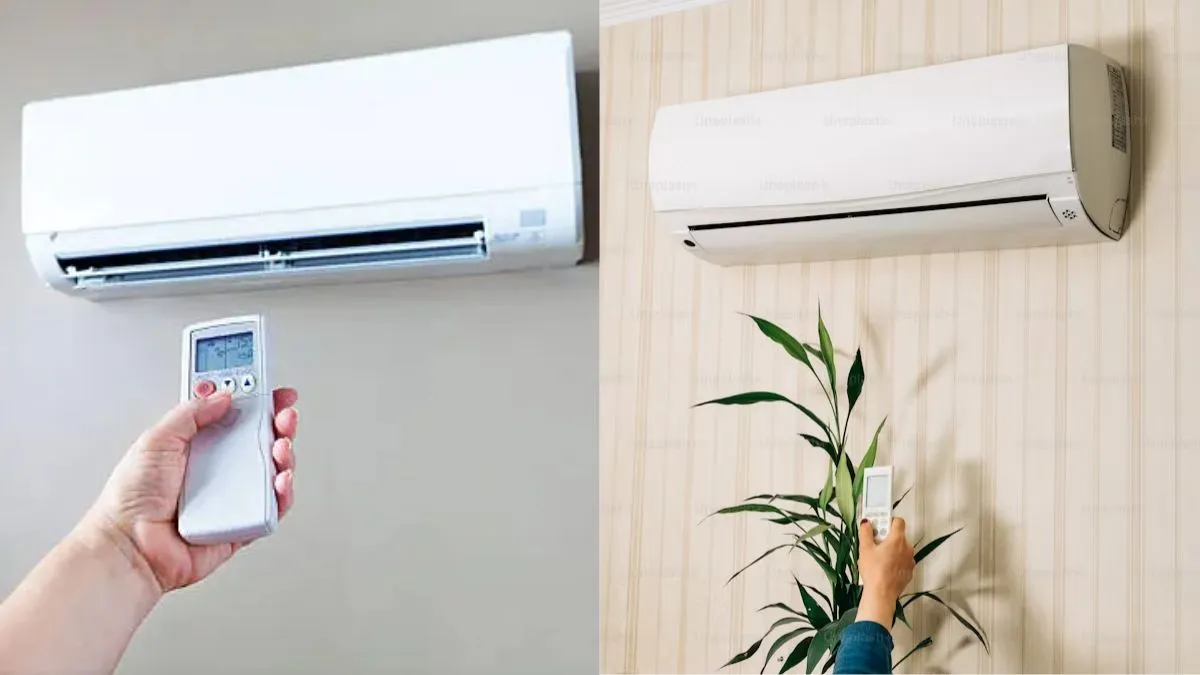
Why Your Home Office AC is a Non-Negotiable Tool
Think of an air conditioner as more than just a cooling device; it’s a productivity tool. When your body is working overtime to cool itself, your brainpower takes a nosedive. Proper AC for home office comfort directly impacts your ability to concentrate, think clearly, and stay energized throughout the workday. It’s not just about feeling good—it’s about performing at your best. Plus, sensitive electronics like computers, monitors, and servers don’t appreciate a hot and humid environment. Keeping your office cool helps protect your valuable equipment from overheating and potential damage.
How Does an Air Conditioner Even Work?
Ever wonder about the magic happening inside that box? It’s actually pretty straightforward. Think of your AC unit as a heat-transfer wizard.
- It pulls in warm, humid air from your office.
- Inside the unit, this air passes over a cold evaporator coil. A special fluid called refrigerant inside the coil absorbs the heat from the air, much like a cold sponge soaks up water.
- As the air cools down, the moisture in it condenses and is drained away, dehumidifying your room.
- The now cool, dry air is blown back into your office.
- Meanwhile, the refrigerant, now carrying the heat, is pumped outside, where it releases the heat into the outdoor air before cycling back to do it all again.
It’s a continuous loop of grabbing heat from inside and dumping it outside, leaving you with that sweet, cool relief.
|
Our Picks for the Best Air Conditioner in 2026
As an Amazon Associate, we earn from qualifying purchases.
|
||
| Num | Product | Action |
|---|---|---|
| 1 | Portable Air Conditioners,10,000 BTU 3-in-1 Portable AC unit for Rooms up to 450 Sq. Ft, Featuring 24H Timer, Smart Sleep Mode, Window Kits Included, Perfect for Bedrooms, Kitchens, and Apartments. |

|
| 2 | Dreo Portable Air Conditioners, 12,000 BTU AC Unit for Bedroom with Drainage-free Cooling, 46dB Quiet, APP/Voice/Remote, 24h Timer with Fan & Dehumidifier, Smart Standing AC for Room Indoors, AC515S |
|
| 3 | Evaporative Air Cooler, 3-IN-1 Portable Air Conditioners, Swamp Cooler, 3 Speeds & 4 Modes, 2-Gal Water Tank for Cooling, 16 FT/S Remote Control, Windowless Air Conditioner for Indoors Use |
|
| 4 | LG 7,500 BTU Window Air Conditioner with Supplemental Heat, Cools 320 Sq.Ft. (16\\\\\\\' x 20\\\\\\\' Room Size), Electronic Controls with Remote, 2 Cooling, Heating & Fan Speeds, Slide In-Out Chassis, 115V |
|
| 5 | Portable Air Conditioners,10,000 BTU 3-in-1 Portable AC unit for Rooms up to 450 Sq. Ft, Featuring 24H Timer, Smart Sleep Mode, Window Kits Included, Perfect for Bedrooms, Kitchens, and Apartments |
|
| 6 | Amazon Basics 5000-BTU Small Window Air Conditioner, Up to 150 Sqf, Window AC Units with Cool and Fan Functions, Washable Filter, Adjustable Window Kit, Intuitive Mechanical Controls, White |
|
| 7 | BLACK+DECKER Smart Portable Air Conditioner, 14,000 BTU (10,200 BTU SACC) for Rooms up to 700 Sq. Ft., Smart Portable AC with Follow Me Remote and Window Kit, BPACT14WT, White |
|
| 8 | Comfort Zone Box Fan with Carry Handle, 20 inch, 3 Speed Full-Force Air Circulation with Air Conditioner, Floor Fan, Bedroom Fan, Airflow 15.03 ft/sec, Ideal for Home, Bedroom & Office, CZ200ABK |
|
| 9 | Dreo - Tower Fan for Bedroom - 25ft/s Velocity - Quiet Standing Fan - 4 Speeds/4 Modes/8H Timer - 90° Oscillating Fan for Indoors - 36 inch Floor Fans with Remote - Bladeless Fans Black - Nomad One |
|
| 10 | Evaporative Air Cooler, 3-IN-1 Portable Air Conditioners, Swamp Cooler, 3 Speeds & 4 Modes, 2-Gal Water Tank for Cooling, 16 FT/S Remote Control, Windowless Air Conditioner for Indoors Use |
|
What are the Best Types of AC for a Home Office?
Choosing the right type of AC unit is the most important decision you’ll make. Your office size, window availability, budget, and tolerance for noise will all play a part. Let’s break down the main contenders.
The Window Air Conditioner
This is the classic, reliable choice for single-room cooling. They fit directly into a standard window frame and are often a great balance of performance and price.
- Pros: Generally more powerful and energy-efficient for their size compared to portable units. They don’t take up any floor space.
- Cons: The installation can be a bit of a project, and you sacrifice your window view (and its natural light). Some can be noisy.
The Portable Air Conditioner
For those who need flexibility or can’t install a window unit (hello, renters!), a portable AC is a lifesaver. These units are on wheels and can be moved from room to room.
- Pros: Easy to set up (just vent the exhaust hose through a window) and highly flexible. No permanent installation is required.
- Cons: They are less efficient than window units of the same BTU rating because the unit itself and its hose generate some heat inside the room. They also take up valuable floor space and can be louder.
The Ductless Mini-Split System
If you’re looking for the premium, top-tier solution, this is it. A mini-split has two main components: an indoor unit mounted on a wall and an outdoor compressor. They are connected by a small conduit through the wall.
- Pros: Incredibly quiet and extremely energy-efficient. They offer precise temperature control and a sleek, modern look without blocking a window.
- Cons: This is the most expensive option upfront and requires professional installation.
Expert Take: “For a dedicated home office, a quiet machine is paramount,” says John Carter, a certified HVAC technician with over 20 years of experience. “I often recommend clients consider a ductless mini-split if their budget allows. The near-silent operation is a game-changer for concentration and video calls. If not, look for a modern window unit with a low decibel (dBA) rating.”
Key Factors to Consider When Choosing Your Office AC
Diving into the world of air conditioners means you’ll encounter a lot of technical jargon. Don’t worry, we’ll cut through the noise and focus on what really matters for your home office.
What Size AC Do I Need for My Home Office?
The most critical factor is cooling power, measured in BTUs (British Thermal Units). An undersized unit will run constantly without ever cooling the room, while an oversized unit will cool the room too quickly without properly dehumidifying it, leaving you feeling cold and clammy.
A simple rule of thumb for a typical room is:
- 100-250 sq. ft: 5,000 – 6,000 BTU
- 250-400 sq. ft: 7,000 – 8,000 BTU
- 400-550 sq. ft: 9,000 – 10,000 BTU
Pro-Tip: If your office gets a lot of direct sunlight or contains multiple heat-generating computers, add about 10% to your BTU requirement.
How Important is Energy Efficiency?
Very! An energy-efficient AC will save you money on your electricity bill every month. Look for two ratings:
- EER (Energy Efficiency Ratio): Measures efficiency at a single, fixed outdoor temperature.
- CEER (Combined Energy Efficiency Ratio): A newer standard that gives a more realistic picture of typical use.
- SEER (Seasonal Energy Efficiency Ratio): Used for central air and mini-splits, measuring efficiency over an entire cooling season.
The higher the EER, CEER, or SEER number, the more efficient the unit. Always look for the ENERGY STAR label, which certifies that the product meets strict energy efficiency guidelines set by the U.S. Environmental Protection Agency.
Noise Level: The Unsung Hero of Office Comfort
For a home office, noise is a deal-breaker. A loud, rumbling AC can be just as distracting as the heat itself. Noise levels are measured in decibels (dBA).
- Below 50 dBA: Whisper quiet. Ideal for a home office.
- 50-55 dBA: Like a quiet conversation. Generally acceptable.
- 60+ dBA: The level of a normal conversation or a vacuum cleaner. This will likely be distracting.
Look for models that specifically advertise “quiet operation” or list a low dBA rating in their specifications.
Smart Features for the Modern Office
Today’s AC units are smarter than ever. Features like Wi-Fi connectivity and app control allow you to:
- Turn the AC on before you start your workday so the room is already cool.
- Adjust the temperature from your desk without breaking your workflow.
- Set schedules to save energy when you’re not in the office.
These aren’t just gimmicks; they add a layer of convenience and efficiency that’s perfect for a modern workspace.
Simple Installation and Maintenance Tips
Getting the most out of your AC for home office comfort means installing it correctly and keeping it in good shape.
Installation Checklist:
- Seal all gaps: For window and portable units, use the included insulation panels and foam to create an airtight seal. Any gaps will let cool air escape and warm air creep in.
- Ensure proper drainage: Make sure window units are tilted slightly backward (per the manufacturer’s instructions) so condensation drains outside, not into your wall.
- Give it breathing room: Don’t place furniture or curtains right in front of the unit. It needs clear space to circulate air effectively.
Maintenance Is a Must:
- Clean the filter regularly: This is the #1 most important maintenance task. A clogged filter restricts airflow, reduces efficiency, and makes your AC work harder. Check it once a month and clean or replace it as needed.
- Clean the coils: The evaporator and condenser coils can get dusty over time. Gently clean them with a soft brush or coil cleaner at the beginning of each cooling season.
- Check for obstructions: Make sure the outdoor part of the unit (for window, mini-split, or central AC) is clear of leaves, dirt, and debris.
Frequently Asked Questions (FAQ)
Q1: Can I just use a fan for my home office?
A fan can provide temporary relief by creating a wind-chill effect, but it doesn’t actually lower the room’s temperature or humidity. For true cooling and dehumidification, which are key for comfort and protecting electronics, an AC for home office comfort is necessary.
Q2: How much will it cost to run an AC in my home office?
This depends on the unit’s efficiency (EER rating), your local electricity rates, and how often you run it. An ENERGY STAR certified model can cost as little as $75 per year to operate, while older, less efficient models can cost significantly more.
Q3: Is a portable AC a good choice for a home office?
It can be, especially if you value flexibility or can’t install a window unit. However, be mindful of the trade-offs: they are generally louder and less efficient than window models of a similar BTU capacity. Look for a “dual-hose” portable model if possible, as they are more efficient than single-hose versions.
Q4: Should I leave my AC on all day?
It’s more efficient to maintain a consistent temperature than to turn the AC off and let the room get hot, forcing the unit to work extra hard to cool it down again. If you’ll be away for many hours, consider turning the temperature up a few degrees instead of turning it off completely. A smart AC with scheduling makes this easy.
Q5: What’s the ideal temperature for productivity in a home office?
Studies suggest that the ideal office temperature for peak productivity is between 70°F and 73°F (21°C and 23°C). Finding your personal sweet spot within this range can make a noticeable difference in your focus and comfort levels.
Your Cool, Productive Workspace Awaits
Choosing the right Air Conditioner is one of the most impactful upgrades you can make to your home office. By focusing on the right size (BTU), prioritizing a quiet model (low dBA), and investing in energy efficiency (ENERGY STAR), you’re not just buying a machine—you’re creating an environment where you can do your best work. A proper AC for home office comfort eliminates the distraction of a hot, stuffy room, allowing you to focus on what truly matters.
What’s your current home office cooling setup? Share your experiences or ask any questions in the comments below! We’re here to help you build the ultimate workspace.