Let’s be real for a moment. There’s nothing quite like the sweet relief of a blast of cool air on a scorching day. But what happens when that relief comes with a funky, musty, or downright unpleasant odor? Suddenly, your home’s oasis feels more like a locker room. If you’re wondering How To Deodorize AC Naturally, you’ve come to the right place. Forget harsh chemicals; we’re going to tackle that smell at the source using simple, effective, and safe methods you can do yourself.
That strange scent wafting from your vents isn’t just an annoyance; it’s your air conditioner’s way of crying for help. It’s often a sign of underlying issues like mold, mildew, or bacteria that have taken up residence inside the unit. Not only does this smell bad, but it can also impact your home’s indoor air quality. Before you reach for a can of air freshener (which only masks the problem), let’s roll up our sleeves and give your AC the deep clean it deserves, the natural way.
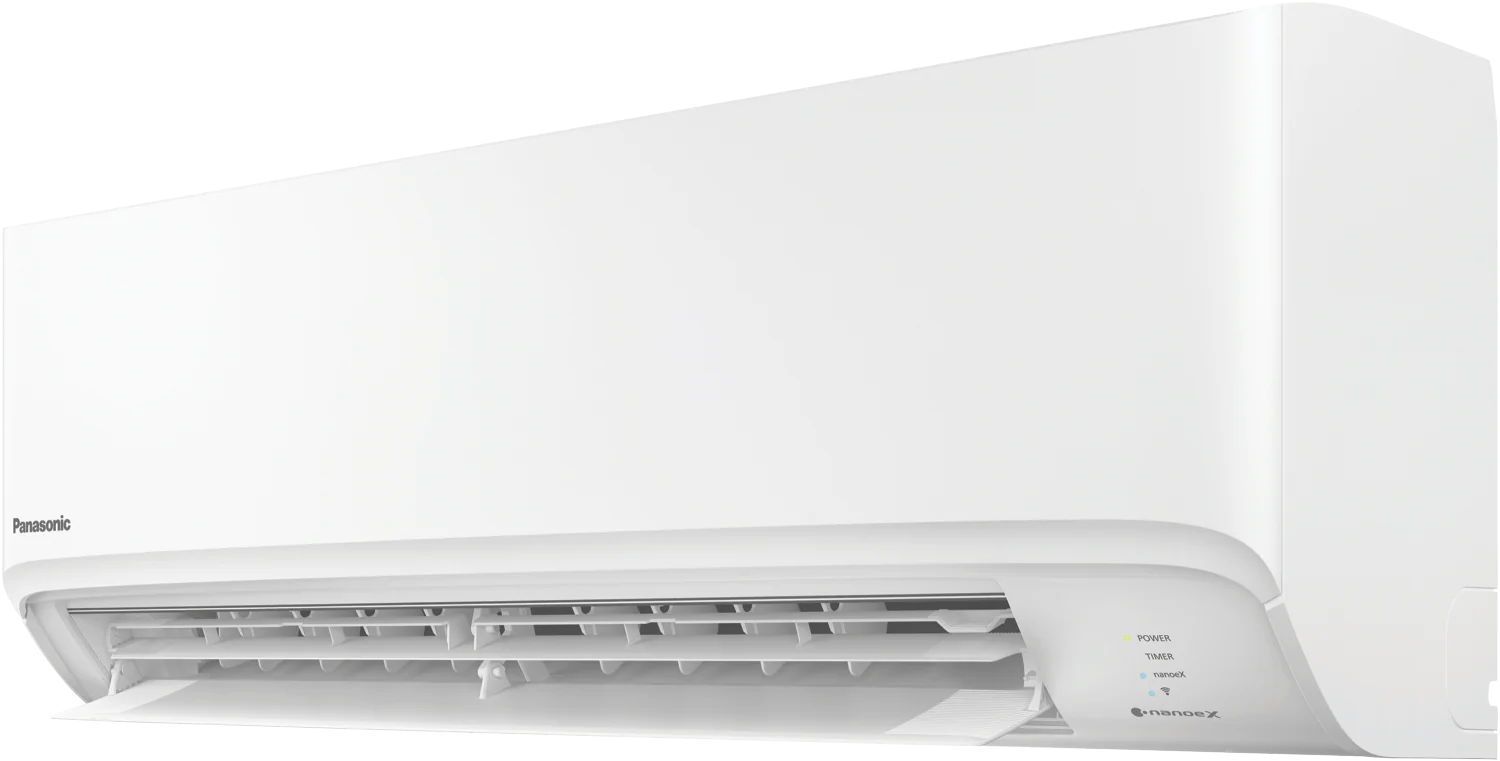
Why Does My AC Smell Like That? Uncovering the Culprits
Before we jump into the “how,” it’s crucial to understand the “why.” Knowing the root cause of the odor will help you fix it for good. Most of the time, that unpleasant AC smell boils down to one of a few common culprits.
- Mold and Mildew: Your AC unit is a dark, damp environment—the perfect breeding ground for mold and mildew. As air passes over contaminated evaporator coils or sits in a damp drain pan, it picks up those musty, “dirty sock” spores and circulates them throughout your home.
- A Clogged Condensate Drain Line: Your AC works by removing humidity from the air. This moisture collects and is supposed to flow out through a condensate drain line. If this line gets clogged with dirt, algae, or other gunk, water backs up, creating a stagnant pool where bacteria can thrive.
- A Dirty Air Filter: This is the most common and easiest-to-fix issue. Your air filter’s job is to trap dust, pollen, pet dander, and other airborne particles. When it gets overloaded, it can’t do its job effectively. The trapped debris can start to decompose or grow mold, leading to a dusty, musty smell every time the system kicks on.
- Trapped Critters: It’s an unpleasant thought, but sometimes small rodents or insects can find their way into your ductwork or AC unit and, well, expire. This can cause a particularly foul odor of decay that requires immediate attention.
|
Our Picks for the Best Air Conditioner in 2026
As an Amazon Associate, we earn from qualifying purchases.
|
||
| Num | Product | Action |
|---|---|---|
| 1 | Amazon Basics 5000-BTU Small Window Air Conditioner, Up to 150 Sqf, Window AC Units with Cool and Fan Functions, Washable Filter, Adjustable Window Kit, Intuitive Mechanical Controls, White |

|
| 2 | Dreo - Tower Fan for Bedroom - 25ft/s Velocity - Quiet Standing Fan - 4 Speeds/4 Modes/8H Timer - 90° Oscillating Fan for Indoors - 36 inch Floor Fans with Remote - Bladeless Fans Black - Nomad One |
|
| 3 | BLACK+DECKER Smart Portable Air Conditioner, 14,000 BTU (10,200 BTU SACC) for Rooms up to 700 Sq. Ft., Smart Portable AC with Follow Me Remote and Window Kit, BPACT14WT, White |
|
| 4 | Evaporative Air Cooler, 3-IN-1 Portable Air Conditioners, Swamp Cooler, 3 Speeds & 4 Modes, 2-Gal Water Tank for Cooling, 16 FT/S Remote Control, Windowless Air Conditioner for Indoors Use |
|
| 5 | LG 7,500 BTU Window Air Conditioner with Supplemental Heat, Cools 320 Sq.Ft. (16\\\\\\\' x 20\\\\\\\' Room Size), Electronic Controls with Remote, 2 Cooling, Heating & Fan Speeds, Slide In-Out Chassis, 115V |
|
| 6 | Evaporative Air Cooler, 3-IN-1 Portable Air Conditioners, Swamp Cooler, 3 Speeds & 4 Modes, 2-Gal Water Tank for Cooling, 16 FT/S Remote Control, Windowless Air Conditioner for Indoors Use |
|
| 7 | Portable Air Conditioners,10,000 BTU 3-in-1 Portable AC unit for Rooms up to 450 Sq. Ft, Featuring 24H Timer, Smart Sleep Mode, Window Kits Included, Perfect for Bedrooms, Kitchens, and Apartments. |
|
| 8 | Comfort Zone Box Fan with Carry Handle, 20 inch, 3 Speed Full-Force Air Circulation with Air Conditioner, Floor Fan, Bedroom Fan, Airflow 15.03 ft/sec, Ideal for Home, Bedroom & Office, CZ200ABK |
|
| 9 | Dreo Portable Air Conditioners, 12,000 BTU AC Unit for Bedroom with Drainage-free Cooling, 46dB Quiet, APP/Voice/Remote, 24h Timer with Fan & Dehumidifier, Smart Standing AC for Room Indoors, AC515S |
|
| 10 | Portable Air Conditioners,10,000 BTU 3-in-1 Portable AC unit for Rooms up to 450 Sq. Ft, Featuring 24H Timer, Smart Sleep Mode, Window Kits Included, Perfect for Bedrooms, Kitchens, and Apartments |
|
Before You Start: Safety First!
Alright, ready to get started? Hold on for just a second. As your trusted guide at Air Conditioner Guru, my number one priority is your safety. Before you open up any part of your AC system, you must cut the power.
- Turn Off the Thermostat: Set your thermostat to “Off.”
- Cut Power at the Breaker: Go to your home’s electrical panel and flip the breaker that corresponds to your air conditioner.
- Use the Exterior Shutoff Box: For your outdoor unit (the condenser), there is typically a power shutoff box mounted on the wall nearby. Open it and pull out the disconnect block or flip the switch to “Off.”
“I always tell homeowners that the most important tool they have is the power switch. Taking a few extra seconds to ensure the unit is completely de-energized is non-negotiable. It’s the difference between a successful DIY job and a dangerous mistake.” – John Carter, Certified HVAC Technician
How to Deodorize AC Naturally: A Step-by-Step Guide
Now that we’re operating safely, let’s get down to business. We’ll be using a simple, powerful, and all-natural cleaning solution to tackle the grime and odors.
Crafting Your All-Natural AC Cleaning Solution
You don’t need expensive, chemical-laden coil cleaners. A simple homemade solution is incredibly effective.
- What You’ll Need:
- A clean spray bottle
- Equal parts white vinegar and warm water (e.g., 1 cup of each)
- Optional: A few drops of tea tree oil or lemon essential oil for extra anti-fungal power and a fresh scent.
Combine these ingredients in your spray bottle and give it a good shake. White vinegar is a fantastic natural disinfectant and deodorizer. Its acetic acid is powerful enough to break down mold and mildew without damaging your AC’s sensitive components.
Step 1: Start with the Air Filter
Always start here. Locate the filter compartment on your indoor unit (the air handler). Slide out the old filter. If it’s a disposable one and it looks grey or clogged with dust, throw it away and replace it with a fresh one. If you have a reusable filter, take it outside and wash it thoroughly with soap and water, letting it dry completely before reinstalling. For more tips, check out our guide on [choosing the right air filter for your home].
Step 2: Clean the Evaporator Coils
This is where the smelly stuff—mold and mildew—usually lives. The evaporator coil is located inside your indoor air handler unit. You’ll likely need to remove a metal panel (usually held by a few screws) to access it.
- Locate the Coils: They look like a series of metal fins, similar to a car’s radiator. They will likely be damp and may have a visible layer of dust or grime.
- Lightly Vacuum: Using a soft brush attachment on your vacuum cleaner, gently go over the coils to remove any loose dust and debris. Be very gentle—these fins can bend easily.
- Spray and Soak: Generously spray your vinegar-and-water solution all over the evaporator coils. Don’t be shy; you want to saturate the surfaces where mold and bacteria are growing.
- Let it Sit: Let the solution sit and work its magic for about 15-20 minutes. You’ll see the vinegar solution start to break down the grime, which will then drip down into the condensate pan below.
Step 3: Clear the Condensate Drain Line
While the solution is working on the coils, turn your attention to the drain line. This is typically a PVC pipe leading out from the indoor unit.
- Find the Access Point: Look for a T-shaped vent or cap near the indoor unit.
- Flush the Line: Pour a cup of distilled white vinegar down the access point. This will kill any algae or gunk buildup inside the pipe.
- Wait and Flush: After about 30 minutes, follow it up with a quart of warm water to flush everything out. If you suspect a more serious clog, you may need a wet/dry vac to suction it out from the exterior drain end.
Natural Odor Absorbers: Keeping Your AC Smelling Fresh
Once you’ve cleaned the system, you can take steps to prevent odors from returning. Instead of using artificial air fresheners, place natural odor absorbers near your air returns.
- Activated Charcoal: Place a few bags of activated charcoal in the room with the air handler or near a major return vent. Charcoal is incredibly porous and excellent at trapping odor molecules.
- Baking Soda: An open box of baking soda works just as well in your utility closet as it does in your fridge. It will help absorb any lingering musty smells.
- Essential Oil Diffuser: For a pleasant, non-toxic scent, use an essential oil diffuser in your main living area. Scents like lemon, eucalyptus, and peppermint can help keep the air smelling clean and fresh.
When Natural Methods Aren’t Enough: Calling in the Pros
The methods above will solve the vast majority of AC odor issues. However, if you’ve tried everything and the smell persists, or if you notice any of the following, it’s time to call a professional.
- A burning or gunpowder-like smell could indicate a serious electrical problem.
- A chemical or gas-like smell could signal a refrigerant leak.
- The funky smell returns almost immediately after cleaning.
A professional HVAC technician can perform a more thorough deep cleaning and inspect for more serious issues that a DIY approach can’t fix. Don’t hesitate to seek help when you’re out of your depth; [our guide on finding a reliable HVAC technician] can help.
Frequently Asked Questions (FAQ)
Q: How often should I clean my AC to prevent odors?
A: We recommend changing your air filter every 1-3 months and giving your coils and drain line a good natural cleaning at least once a year, typically in the spring before you start using it heavily. This preventative maintenance is key.
Q: Is it safe to use bleach to clean my AC coils?
A: We strongly advise against using bleach. It is highly corrosive and can damage the delicate aluminum fins on your coils and other metal components. A vinegar and water solution is just as effective for killing mold and is much safer for your system.
Q: What does it mean if my AC smells like vinegar after cleaning?
A: A slight vinegar smell right after cleaning is normal and harmless. It simply means the solution is doing its job. The scent should dissipate completely after running the AC for an hour or two.
Q: Can a dirty AC really make me sick?
A: Yes, it can. A dirty AC system can circulate mold spores, bacteria, and other allergens throughout your home, a condition sometimes referred to as “Dirty Sock Syndrome.” This can trigger allergies, asthma, and other respiratory issues.
Q: My AC is brand new but has a weird smell. What’s going on?
A: New Air Conditioners can sometimes have a plastic or chemical smell from manufacturing oils and coatings, which is known as “off-gassing.” This smell is usually harmless and should go away on its own after a few days of use.
A Breath of Fresh Air
There you have it. That musty, unpleasant odor doesn’t have to be a permanent part of your summer. By understanding the causes and taking a proactive approach, you can restore your home’s air quality and enjoy the cool, clean comfort you deserve. Learning how to deodorize AC naturally is a skill that not only saves you money but also empowers you to maintain a healthier home environment.
Have you ever battled a smelly AC? Share your experience or ask any questions in the comments below! We’re here to help you breathe easy.