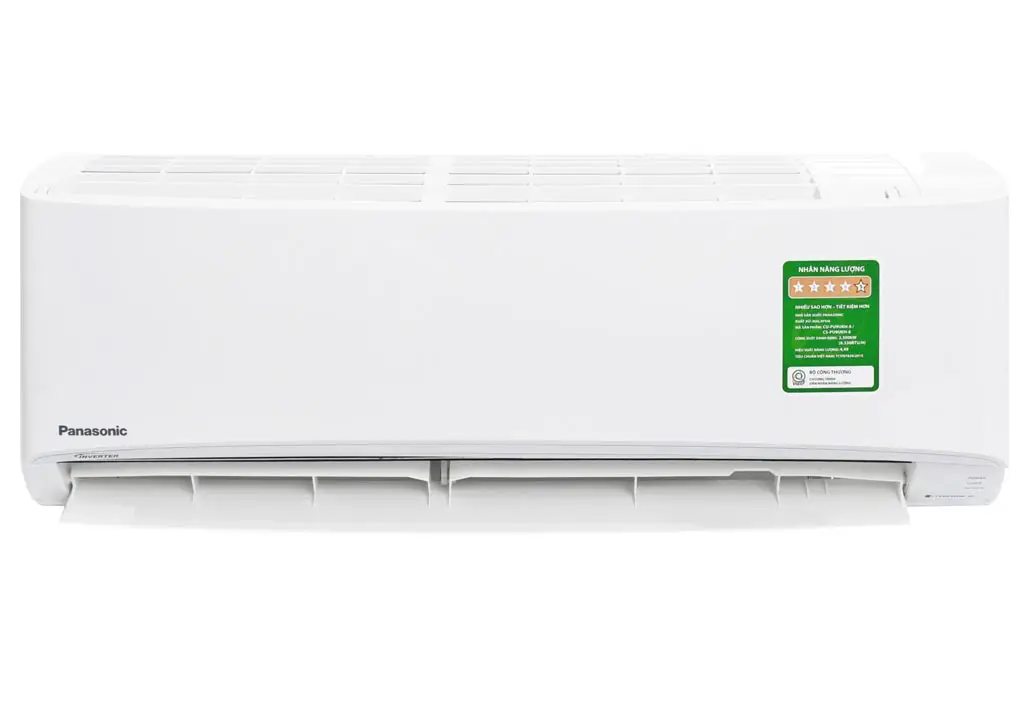
Thinking about tackling the job of how to install a split air conditioner yourself? I get it. The idea of saving a bundle on installation fees and gaining that sweet, sweet satisfaction of a job well done is tempting. Mini-split or ductless air conditioners are fantastic pieces of technology, offering zoned cooling without the hassle of ductwork. But let’s be real for a second—this isn’t like hanging a picture frame. It’s a rewarding project, but it demands patience, the right tools, and a healthy respect for electricity and refrigerant lines. Don’t worry, though. We’re here to walk you through it, step-by-step, just like a trusted friend would.
Before You Even Open the Box: Is This DIY For You?
First things first, let’s have an honest chat. While many handy homeowners can successfully install a mini-split, it’s not for everyone. You’ll be dealing with drilling a large hole through an exterior wall, handling delicate copper tubing, and most critically, making electrical connections.
If you’re not 100% comfortable working with your home’s electrical panel, stop right here and call a licensed electrician for that part of the job. Seriously. Your safety is paramount. The same goes for handling refrigerant; many systems come with pre-charged lines, but if you need to charge the system, you’ll legally need an EPA-certified technician.
As our go-to HVAC expert, John Carter, with over 20 years in the field, always says: “The biggest money saver isn’t the DIY install; it’s the install done right the first time. A single bad connection can lead to an inefficient unit or a costly repair down the road. Measure twice, cut once, and never be afraid to call a pro if you’re in over your head.”
Still with me? Great! Let’s get to it.
What Tools and Materials Will You Need?
Having everything on hand before you start will save you from those frustrating mid-project trips to the hardware store.
- The Mini-Split Kit: This should include the indoor and outdoor units, remote, and often the line set (copper refrigerant tubes, control wire, and drain line).
- Drill with a Hole Saw: You’ll need a hole saw bit that’s the correct diameter specified in your unit’s manual (usually 2.5 to 3 inches).
- Level: Absolutely essential for mounting both units correctly.
- Wrenches: A set of open-end wrenches and two adjustable wrenches are a must. A torque wrench is highly recommended to avoid over-tightening flare nuts.
- Tubing Cutter & Flaring Tool: For cutting and flaring the copper refrigerant lines. A quality flaring tool is worth its weight in gold.
- Vacuum Pump and Micron Gauge: This is non-negotiable for ensuring a leak-free system. You can often rent these.
- Safety Gear: Goggles and gloves.
- Electrical Supplies: Wire strippers, electrical tape, conduit, and the correct gauge wire and disconnect box as required by local codes.
- Miscellaneous: Wall sleeve for the hole, sealant/caulking, mounting pad for the outdoor unit.
The Main Event: How to Install a Split Air Conditioner
We’ll break this down into manageable steps. Remember to read your specific model’s installation manual thoroughly, as it’s the ultimate source of truth for your unit.
Step 1: Choose the Perfect Locations
Where you place your units has a huge impact on performance.
- Indoor Unit (Air Handler):
- Choose a strong, sturdy wall, high up, away from direct sunlight and other heat sources.
- Ensure there’s at least 6 inches of clear space all around it for proper airflow.
- Position it so the drain line can have a consistent downward slope to the outside.
- Outdoor Unit (Condenser):
- Find a spot on a stable, level surface, like a concrete pad. Don’t place it directly on the ground.
- Keep it away from high-traffic areas, windows, and your neighbor’s property line to minimize noise complaints.
- Make sure there’s plenty of clearance around it for air circulation (check your manual for specifics).
Step 2: Mount the Indoor Unit’s Bracket
Once you’ve picked your spot, you’ll install the metal mounting bracket that came with the unit.
- Hold the bracket against the wall and use your level to make sure it’s perfectly horizontal.
- Mark the locations for the screw holes.
- Find the wall studs and drill your pilot holes into them. Securing the bracket to studs is crucial as the unit is heavy.
- Firmly attach the bracket to the wall using the provided screws.
Step 3: Drill the Hole to the Outside
This is the point of no return!
- Based on your bracket’s position, mark the center of the hole for the line set.
- Using your drill and hole saw, carefully drill through the wall from the inside out. Drill at a slight downward angle so that water and condensation will drain away from the house.
- Insert the wall sleeve or flange into the hole to protect the lines and give it a clean finish.
Step 4: Run the Pipes and Cables
Now it’s time to connect the inside to the outside.
- Carefully uncoil the copper tubing. Do not kink it! A kink can restrict refrigerant flow and kill your AC’s efficiency.
- Gently bend the tubing to align with the hole.
- Bundle the two copper lines, the control wire, and the drain hose together with electrical tape.
- Carefully feed this bundle through the wall from the inside. It’s often easier with a helper—one person feeding from the inside, one guiding from the outside.
- Once the lines are through, you can lift and hang the indoor unit securely onto its mounting bracket.
Step 5: Place the Outdoor Unit and Connect the Lines
- Set your outdoor condenser unit on its pad, ensuring it’s level.
- Connect the copper lines from the indoor unit to the corresponding fittings on the outdoor unit. This involves using a flaring tool if your lines aren’t pre-flared.
- Tighten the flare nuts using two wrenches (one to hold the fitting steady, one to tighten the nut). Using a torque wrench here is the best way to ensure you don’t over-tighten and crack the flare, or under-tighten and cause a leak.
- Connect the drain hose, making sure it drains to an appropriate location away from the foundation.
- Connect the control wire according to the wiring diagram in your manual.
Step 6: The Critical Electrical Work
Warning: Unless you are a qualified electrician, we strongly advise hiring a professional for this step.
The outdoor unit requires a dedicated circuit from your home’s main electrical panel. A licensed electrician will run the correct gauge wire, install a new circuit breaker, and connect an outdoor disconnect box near the condenser for safety and servicing.
Step 7: The Vacuum and Leak Test
This step is absolutely vital and is where many DIY installations fail. You must remove all air and moisture from the refrigerant lines before releasing the refrigerant.
- Connect your vacuum pump and micron gauge to the service port on the outdoor unit.
- Run the pump until the system reaches a deep vacuum, typically below 500 microns. This process can take 30 minutes or more.
- Close the valve and turn off the pump. Let it sit for another 30 minutes. If the micron reading rises significantly, you have a leak in one of your flare connections that must be fixed.
- Once you’re sure there are no leaks, you can disconnect the pump and slowly open the service valves on the outdoor unit to release the refrigerant into the lines.
- Use soapy water or a refrigerant leak detector on all your connections one last time to be absolutely certain there are no leaks.
Step 8: Power Up and Enjoy the Cool!
With everything connected and leak-free, it’s time for the moment of truth.
- Turn on the circuit breaker at the main panel.
- Turn on the unit with the remote.
- Set it to cool and feel that glorious, cold air. Congratulations, you did it!
Frequently Asked Questions
How long does it take to install a split air conditioner?
For a first-time DIYer, plan for a full day, possibly a weekend. A professional can typically complete the job in 4-6 hours. Rushing is the enemy of a good installation.
Can I install a mini-split without a vacuum pump?
No. Skipping the vacuuming process will leave air and moisture in the lines, which mixes with the refrigerant and can severely damage the compressor, leading to premature failure and poor performance.
What is the hardest part of installing a mini-split?
For most people, the most challenging parts are properly flaring the copper lines to create a perfect seal and performing the electrical work safely and to code.
Do I need a permit to install a split AC?
In many areas, yes. Any work involving new electrical circuits typically requires a permit and inspection from your local building authority. Always check your local regulations before starting.
How much money can I save with a DIY installation?
You can potentially save between $500 to $1,500 or more on labor costs, depending on your location and the complexity of the job. However, a failed DIY attempt could end up costing more than a professional installation in repairs.
Wrapping It Up
There you have it—a comprehensive look at how to install a split Air Conditioner. It’s a project that can bring immense satisfaction and comfort to your home. The key is to be honest about your skill level, meticulous in your work, and uncompromising on safety. By following these steps and your unit’s manual, you’re setting yourself up for a successful installation and years of efficient, quiet cooling. If you have any questions along the way, drop them in the comments below! We love hearing about your projects.