Walking into a perfectly cool home after battling the sweltering summer heat feels like a little slice of heaven, doesn’t it? That immediate wave of relief is all thanks to your air conditioner, but the real MVP behind the scenes is the thermostat. Knowing exactly How To Set Thermostat On Air Conditioner is the key to unlocking not just ultimate comfort, but also significant savings on your energy bill. It might seem simple, but a few small tweaks can make a world of difference.
Many of us are guilty of the “set it and forget it” approach, or worse, the frantic button-mashing when we feel too hot or too cold. But your thermostat is a powerful tool, and understanding its language is the first step toward becoming the master of your home’s climate. If you’re looking for more ways to keep your system in top shape, understanding issues like what to do when you need to how to clean AC without technician can be a great starting point for overall system health.
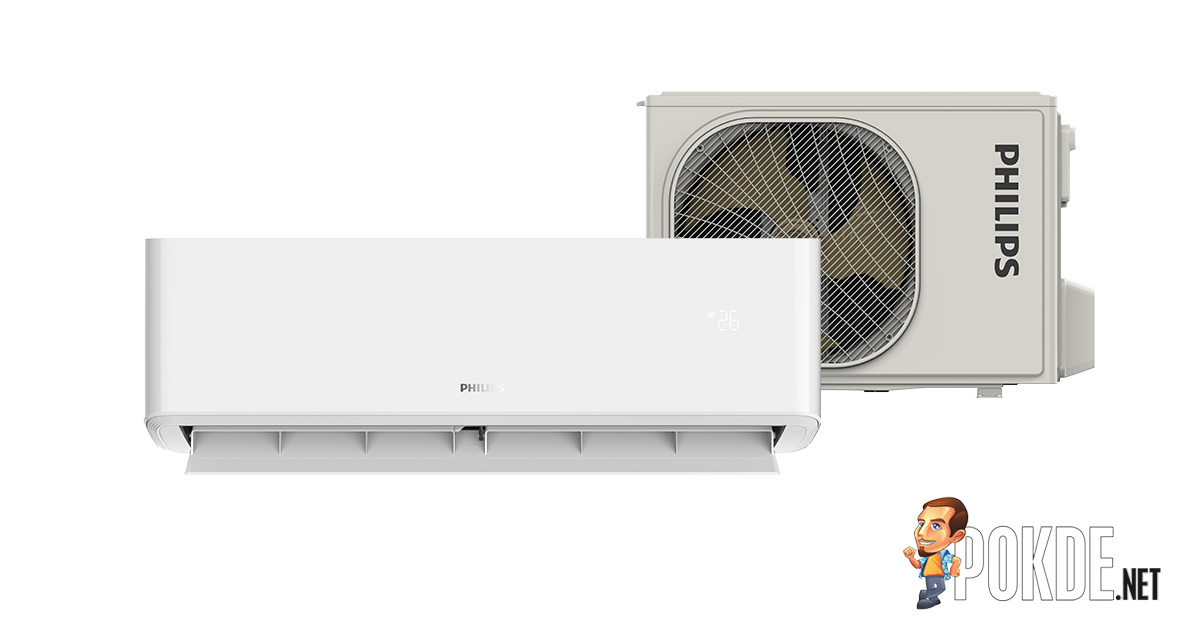
Why Your Thermostat Setting is a Big Deal
Think of your thermostat as the brain of your entire HVAC (Heating, Ventilation, and Air Conditioning) system. It’s constantly taking the temperature of the room and telling your AC unit when to kick on and when to take a break. Setting it correctly isn’t just about feeling good; it’s about efficiency.
An improperly set thermostat can cause your AC to run constantly, a phenomenon known as “short cycling,” which drives up your electricity bill and puts unnecessary wear and tear on the unit. On the flip side, a smart setting strategy can save you up to 10% a year on cooling costs. It’s a small action with a huge impact.
Decoding Your Thermostat: What Do All Those Buttons Mean?
Most thermostats, from the old-school manual dials to the slick new smart screens, share a few common settings. Let’s break down what they actually do.
Cool Mode
This is the one you know and love. When set to “Cool,” the thermostat will activate the air conditioner’s compressor whenever the room temperature rises above your set point. This is the mode that actually produces cold air.
Fan Mode: On vs. Auto
This is where most people get tripped up.
- On: The fan runs 24/7, regardless of whether the AC is cooling or not. It constantly circulates air, which can be nice for air quality, but it uses a lot more energy. This constant operation can also contribute to a noisy environment, which is different from specific issues you’d need to address with a guide on how to fix air conditioner making noise.
- Auto: This is the setting we recommend for 99% of the time. The fan only runs when the cooling cycle is active. Once your desired temperature is reached, both the compressor and the fan shut off. It’s far more energy-efficient.
Dry Mode
Some newer units have a “Dry” mode. This setting is designed to dehumidify the air. It runs the compressor at a low speed and the fan at a low setting to pull moisture out of the air without drastically lowering the temperature. It’s perfect for those sticky, humid days where it’s not necessarily scorching hot.
|
Our Picks for the Best Air Conditioner in 2025
As an Amazon Associate, we earn from qualifying purchases.
|
||
| Num | Product | Action |
|---|---|---|
| 1 | Portable Air Conditioners,10,000 BTU 3-in-1 Portable AC unit for Rooms up to 450 Sq. Ft, Featuring 24H Timer, Smart Sleep Mode, Window Kits Included, Perfect for Bedrooms, Kitchens, and Apartments. |

|
| 2 | Comfort Zone Box Fan with Carry Handle, 20 inch, 3 Speed Full-Force Air Circulation with Air Conditioner, Floor Fan, Bedroom Fan, Airflow 15.03 ft/sec, Ideal for Home, Bedroom & Office, CZ200ABK |
|
| 3 | Dreo Portable Air Conditioners, 12,000 BTU AC Unit for Bedroom with Drainage-free Cooling, 46dB Quiet, APP/Voice/Remote, 24h Timer with Fan & Dehumidifier, Smart Standing AC for Room Indoors, AC515S |
|
| 4 | Portable Air Conditioners,10,000 BTU 3-in-1 Portable AC unit for Rooms up to 450 Sq. Ft, Featuring 24H Timer, Smart Sleep Mode, Window Kits Included, Perfect for Bedrooms, Kitchens, and Apartments |
|
| 5 | Evaporative Air Cooler, 3-IN-1 Portable Air Conditioners, Swamp Cooler, 3 Speeds & 4 Modes, 2-Gal Water Tank for Cooling, 16 FT/S Remote Control, Windowless Air Conditioner for Indoors Use |
|
| 6 | Dreo - Tower Fan for Bedroom - 25ft/s Velocity - Quiet Standing Fan - 4 Speeds/4 Modes/8H Timer - 90° Oscillating Fan for Indoors - 36 inch Floor Fans with Remote - Bladeless Fans Black - Nomad One |
|
| 7 | LG 7,500 BTU Window Air Conditioner with Supplemental Heat, Cools 320 Sq.Ft. (16\\\\\\\' x 20\\\\\\\' Room Size), Electronic Controls with Remote, 2 Cooling, Heating & Fan Speeds, Slide In-Out Chassis, 115V |
|
| 8 | BLACK+DECKER Smart Portable Air Conditioner, 14,000 BTU (10,200 BTU SACC) for Rooms up to 700 Sq. Ft., Smart Portable AC with Follow Me Remote and Window Kit, BPACT14WT, White |
|
| 9 | Evaporative Air Cooler, 3-IN-1 Portable Air Conditioners, Swamp Cooler, 3 Speeds & 4 Modes, 2-Gal Water Tank for Cooling, 16 FT/S Remote Control, Windowless Air Conditioner for Indoors Use |
|
| 10 | Amazon Basics 5000-BTU Small Window Air Conditioner, Up to 150 Sqf, Window AC Units with Cool and Fan Functions, Washable Filter, Adjustable Window Kit, Intuitive Mechanical Controls, White |
|
What’s the Best Temperature to Set My AC To?
The golden question! The U.S. Department of Energy recommends setting your thermostat to 78°F (26°C) when you’re home and need cooling for the best balance of comfort and energy savings.
However, comfort is personal. The 78°F recommendation is a fantastic starting point, but you might need to adjust it a degree or two to find your family’s sweet spot. The key is to “set it and forget it” for the day. Constantly adjusting the thermostat up and down is one of the most inefficient ways to use your AC.
Expert Tip from John Carter, a seasoned HVAC technician: “The biggest mistake I see is people coming home to a hot house and cranking the thermostat down to 65°F, thinking it will cool faster. It won’t. Your AC works at a fixed rate. Setting it to 75°F will get you to that temperature just as fast as setting it to 65°F, but the latter will cause the system to run much longer, wasting a ton of energy.”
Mastering Your Thermostat for Maximum Efficiency
Now that you know the basics of how to set thermostat on air conditioner, let’s dive into some pro strategies to take your comfort and savings to the next level.
1. Leverage a Temperature Schedule
If you have a programmable or smart thermostat, its scheduling feature is your best friend. There’s no point in keeping your home ice-cold when nobody is there. A typical energy-saving schedule might look like this:
- When you’re home/awake: Set to 78°F (26°C).
- When you’re sleeping: You can often be comfortable at a slightly higher temperature, maybe 80-82°F (27-28°C), especially with a ceiling fan.
- When you’re away: Set it to 85-88°F (29-31°C). This allows the house to warm up, but not so much that the AC has to work overtime to cool it back down when you return.
2. The Power of the “Auto” Fan Setting
We mentioned this before, but it’s worth repeating. Unless you have a specific reason for continuous air circulation (like managing allergies), leave your fan on “Auto.” This single change can save you a surprising amount of money each month. If your system struggles to cool effectively even with the right settings, it might signal a deeper problem, similar to how you would investigate if you needed to know how to recharge air conditioner freon.
3. Consider the Location of Your Thermostat
Your thermostat can only read the temperature of its immediate surroundings. If it’s located:
- In direct sunlight
- Near a heat-producing appliance (like a TV or lamp)
- Above an air vent
It will get a false reading and cause your AC to run more than necessary. Make sure its location is on an interior wall, away from these “hot spots,” for an accurate reading of your home’s average temperature.
Common Mistakes to Avoid
Even with the best intentions, it’s easy to fall into bad habits. Here are a few things to avoid:
- Drastic Temperature Changes: Avoid the temptation to make huge adjustments. Find a comfortable temperature and stick with it.
- Ignoring Regular Maintenance: A thermostat can’t work magic on a poorly maintained system. Clogged filters and dirty coils force your unit to work harder. Ensuring you know things like how to clean AC outdoor unit is crucial for efficiency.
- Leaving Doors and Windows Open: It sounds obvious, but you’d be surprised! You’re literally throwing your money out the window by trying to cool the great outdoors.
- Forgetting About Humidity: Sometimes, that “sticky” feeling isn’t about heat, but humidity. Using the “Dry” mode or a separate dehumidifier can make a higher temperature feel much more comfortable. Ignoring underlying issues can lead to more significant problems. For those interested in troubleshooting, learning about topics like how to fix air conditioner leaking water provides a deeper understanding of your AC’s health.
Frequently Asked Questions (FAQ)
What is the healthiest temperature to set the air conditioner?
Most health experts agree that a range between 72°F and 78°F (22°C to 26°C) is ideal for healthy adults during the day. It’s a temperature that’s comfortable without being excessively cold, which can sometimes dry out your skin and nasal passages.
Does turning the AC on and off save electricity?
No, this is a common myth. Your air conditioner uses the most energy during its startup cycle. Constantly turning it on and off is less efficient than setting the thermostat to a reasonable temperature and letting it run its cycles automatically.
Is it cheaper to leave the AC on all day?
It’s cheaper to raise the temperature when you’re not home rather than turning the system off entirely. Setting it to a higher temperature (like 85°F) allows the AC to maintain a baseline, requiring less energy to cool back down to a comfortable level when you return.
How many degrees should be between heat and cool settings?
On thermostats that control both heating and cooling, it’s recommended to have at least a 5-degree difference (a “dead band”) between your heating and cooling setpoints. For example, you might set your cooling to kick in at 78°F and your heat to kick in at 68°F.
Why does my house feel humid with the AC on?
This can happen if your AC unit is oversized for your space. It cools the air so quickly that it shuts off before it has a chance to properly dehumidify. Using the “Dry” mode or running the fan on “Auto” can help.
Your Thermostat, Your Command Center
Mastering how to set thermostat on Air Conditioner is about more than just pressing a button; it’s about creating a smart, efficient, and comfortable environment for you and your family. By understanding the different modes, finding your ideal temperature, and using smart scheduling, you can turn that little box on the wall into a powerful ally in your quest for a cool home and a lower energy bill.
So go ahead, take control of your climate. Experiment with the 78°F starting point and find what works best for you. Your wallet and your summer self will thank you for it.