There’s nothing quite like the freedom of the open road. But let’s be honest, that freedom can get a little… sweaty. When your rolling home turns into a sauna on wheels, the dream adventure can quickly become a sweltering nightmare. That’s where a good Portable AC For RV Living comes in, acting as your personal oasis in a hot parking lot. Forget complex rooftop installations; we’re talking about a plug-and-play solution to beat the heat, no matter where you park.
But choosing the right unit isn’t as simple as grabbing the first one you see at the big-box store. An RV is a unique space with its own set of rules and limitations, from power constraints to quirky window shapes. In this guide, we’re going to break down everything you need to know to find, install, and maintain the perfect portable AC for your life on the move.
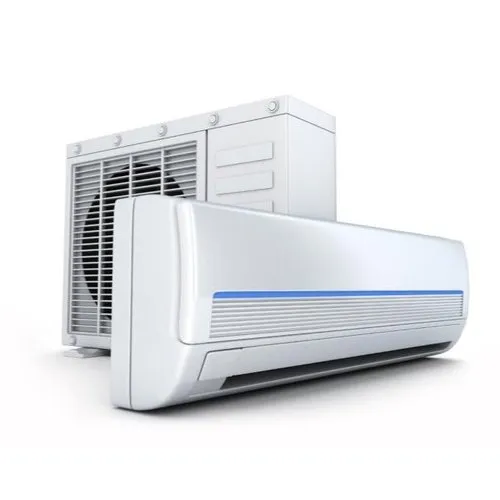
What Exactly is a Portable AC for an RV?
A portable Air Conditioner is a self-contained cooling unit on wheels that you can place inside your RV. Unlike a window or rooftop AC, it doesn’t require permanent installation. It works by pulling in warm, humid air from inside your RV, cooling it, and then exhausting the collected heat and moisture outside through a flexible hose.
The beauty of a portable AC for RV living is its versatility. Need extra cooling in the bedroom at night? Roll it in. Is the living area getting toasty during the day? Move it there. When winter comes, you can easily store it away, freeing up precious space.
How Do These Gadgets Actually Work?
Think of a portable AC as a refrigerator for your air. Here’s the simple, non-nerdy breakdown:
- Intake: A fan pulls warm, moist air from your RV into the unit.
- Cooling: This air passes over a set of cold evaporator coils, which are filled with refrigerant. The heat and moisture from the air are absorbed by the refrigerant, much like a cold drink absorbs heat from the air on a summer day.
- Exhaust: The captured heat is transferred to a second set of coils (the condenser) and is then blown out of your RV through an exhaust hose. The collected moisture either evaporates and goes out the hose or collects in a tank you need to drain.
- Chilled Air: The now-cool, drier air is blown back into your RV, lowering the temperature.
This process is why the exhaust hose is non-negotiable. You must vent the hot air outside, or you’ll just be heating your RV while trying to cool it.
Single-Hose vs. Dual-Hose: The Big Debate
This is probably the most important technical decision you’ll make. It directly impacts efficiency and cooling power, especially in a small, sealed space like an RV.
| Feature | Single-Hose Portable AC | Dual-Hose Portable AC |
|---|---|---|
| How it Works | Uses one hose to vent hot air outside. | Uses one hose for air intake from outside and a second hose to vent hot air outside. |
| Efficiency | Less efficient. It pulls already-cooled indoor air to cool its internal parts and then vents it outside, creating negative pressure that sucks warm outside air in through cracks and seals. | More efficient. It uses outside air to cool its mechanics, so it’s not wasting your cooled indoor air. This prevents negative pressure. |
| Best For | Smaller spaces, occasional use, budget-conscious buyers. | Larger RVs, very hot climates, and anyone prioritizing efficiency. |
| Cost | Generally less expensive. | Generally more expensive. |
Guru’s Take: For most RVers, a dual-hose model is worth the extra investment. It cools faster and more efficiently, putting less strain on your RV’s electrical system and preventing the unit from fighting against itself.
Key Factors to Consider Before You Buy
Diving into the world of portable ACs can feel overwhelming with all the specs and jargon. Let’s focus on what truly matters for RV life.
Let’s Talk BTUs: Size Matters
BTU stands for British Thermal Unit, and it’s the standard measure of cooling power. A higher BTU means more cooling capacity. But bigger isn’t always better. An oversized unit will cool the space too quickly without properly dehumidifying, leaving you with a cold, clammy feeling.
Here’s a rough guide for RVs, assuming average insulation:
- Small Vans/Campers (up to 150 sq. ft.): 5,000 – 6,000 BTU
- Medium RVs/Trailers (150 – 250 sq. ft.): 7,000 – 8,000 BTU
- Large RVs/Fifth Wheels (250 – 400 sq. ft.): 9,000 – 12,000 BTU
Pro-Tip: If you frequently camp in intensely sunny and hot climates (think Arizona in July), consider sizing up slightly.
Power Consumption: Don’t Trip the Breaker
This is critical. RVs have limited electrical capacity. Before buying, check the unit’s wattage and amperage. You need to ensure your RV’s electrical system and the campground’s power pedestal can handle the load, especially when running other appliances like a microwave or refrigerator. Most RV parks offer 30-amp or 50-amp service; a powerful AC can easily consume a third of a 30-amp service’s capacity.
The Drainage Dilemma: Where Does the Water Go?
As your AC cools the air, it pulls out moisture (humidity). This water has to go somewhere.
- Manual Draining: Some units have an internal bucket you have to empty periodically. This can be a hassle in an RV.
- Gravity Drain Hose: Most units have a port to attach a hose, allowing the water to drain continuously into a jug or directly outside.
- Self-Evaporating: These models are the most convenient. They evaporate most of the collected water and expel it through the exhaust hose. They often still have a backup drain for extremely humid conditions. This is the ideal choice for a portable AC for RV living.
Finding a unit that fits your space is vital, and this efficiency-first mindset shares common ground with other specific cooling needs. For those interested in how to cool a small space with maximum efficiency, understanding the principles behind selecting an AC for minimalists can provide valuable insights into making every watt and square inch count.
Noise Level: Can You Sleep With It On?
Portable ACs aren’t silent. The compressor and fan make noise. Look for the decibel (dB) rating. A unit under 55 dB is relatively quiet, comparable to a normal conversation. Anything over 60 dB can be disruptive, especially in a small RV at night.
Installation and Venting: The Make-or-Break Step
Venting your portable AC for RV living properly is the key to its performance. Most units come with a window kit, but RV windows can be… unconventional.
- Choose Your Vent Location: The most common option is a sliding window. Some RVers get creative and vent through a slide-out seal, a baggage compartment door, or by installing a dedicated vent port.
- Secure the Window Kit: Adapt the included window kit to fit your RV window. You may need to cut the plastic slider to size.
- Seal, Seal, Seal: This is the most crucial step. Use weather stripping, foam insulation, or even custom-cut plexiglass panels to create an airtight seal around the window adapter. Any gaps will let hot air in and cooled air out.
- Connect the Hose: Attach the exhaust hose to the unit and the window adapter. Keep the hose as short and straight as possible for maximum efficiency. A long, sagging hose reduces performance.
- Plug It In & Power Up: Plug the unit directly into a suitable outlet. Avoid using extension cords unless they are heavy-duty and rated for the appliance’s amperage.
Expert Advice from John Carter, Certified HVAC Technician:
“I’ve seen countless RVers lose 20-30% of their cooling efficiency due to poor window seals. Don’t just rely on the kit’s plastic. Invest five dollars in a roll of high-quality foam weather stripping tape. Apply it to every edge where the kit meets the window frame. It’s the single best thing you can do to maximize performance.”
Frequently Asked Questions (FAQ)
Can I run a portable AC on my RV’s battery and an inverter?
Technically, yes, but it’s not practical for long. Portable ACs draw a huge amount of power (often 800-1500 watts). This would drain a standard RV battery bank very quickly. It’s best to run them when connected to shore power or a sufficiently powerful generator.
Is a portable AC better than a rooftop unit for an RV?
It depends. Rooftop units are more powerful and space-efficient but are a permanent, expensive installation. A portable AC offers flexibility, lower cost, and can be moved or removed easily, but it takes up valuable floor space inside your rig.
Do portable ACs use a lot of electricity in an RV?
Yes, they are one of the most power-hungry appliances you can run. Always check the amperage and wattage and be mindful of your total power usage to avoid tripping breakers, especially on a 30-amp connection.
How do I store my portable AC during the off-season?
First, run it in “fan-only” mode for a few hours to dry out any internal moisture. Drain any remaining water from the collection tank. Clean the filters, then store the unit upright in a dry, protected place like a garage or storage unit.
What is the best way to vent a portable AC in a camper van without standard windows?
Van lifers often get creative. Some install a dedicated vent port in the floor or wall of the van. Others build a custom panel to fit in the passenger or driver-side window when parked, which can be easily removed for driving.
Your Ticket to a Cooler Adventure
Choosing the right portable AC for RV living is about balancing cooling power with the unique constraints of your mobile lifestyle. By focusing on the right BTU size, understanding your power limitations, opting for a self-evaporating model, and meticulously sealing your vent, you can transform your RV from a hotbox into a cool, comfortable retreat. It’s an investment in comfort that pays dividends on every sun-drenched road trip and during every sweltering summer rally. Now go out there and enjoy the freedom of the road, coolly and comfortably.