Picture this: it’s the hottest day of the year. The sun is relentless, the humidity is thick enough to swim through, and all you want is the sweet, cool relief of your air conditioner. But when you crank it up, all you get is lukewarm air and a strange rattling sound. It’s a homeowner’s summer nightmare. The good news? You can often prevent this exact scenario with a little proactive care. That’s where this Step By Step AC Maintenance Guide comes in. Think of it less as a chore and more as an investment in your comfort, your wallet, and your peace of mind. We’re going to walk through everything you need to keep your AC unit humming happily all season long, no technical degree required.
For many, the idea of DIY AC care can feel intimidating, but a significant portion of it is surprisingly simple. In fact, consistent upkeep is one of the core principles behind learning how to maintain AC for long life, ensuring you get the most out of your investment for years to come.
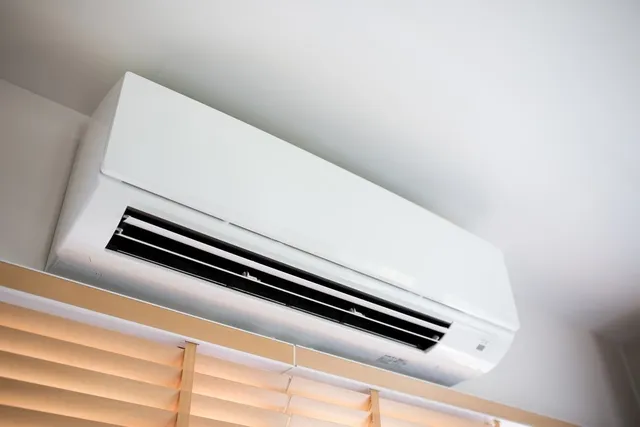
Why is Regular AC Maintenance So Important?
Before we dive into the “how,” let’s talk about the “why.” Skipping regular maintenance is like never changing the oil in your car—sure, it’ll run for a while, but you’re heading for a major, expensive breakdown. Consistent care is crucial.
Proper maintenance directly impacts three key areas:
- Energy Efficiency: A clean, well-maintained AC unit doesn’t have to work as hard to cool your home. According to the U.S. Department of Energy, simply replacing a dirty, clogged filter can lower your air conditioner’s energy consumption by 5% to 15%. That translates directly to lower electricity bills.
- System Lifespan: The average central AC system lasts about 15-20 years. Regular maintenance helps it reach—and sometimes exceed—that lifespan by preventing the small issues that snowball into catastrophic failures.
- Air Quality: Your AC system circulates all the air in your home. A dirty filter and grimy coils can become breeding grounds for dust, pollen, and other allergens, which then get blown right back into your living space.
Safety First: Pre-Maintenance Checklist
Alright, let’s get ready to roll up our sleeves. But before you touch a single part of your AC unit, safety is your number one priority. This isn’t the time to cut corners.
- Turn Off the Power: This is non-negotiable. Locate the exterior shut-off box near your outdoor condenser unit. It usually has a handle to pull or a switch to flip. Then, go to your home’s main circuit breaker panel and switch off the breaker dedicated to the air conditioner.
- Check for Power: Use a voltage tester at the unit to be 100% certain the power is off before you begin.
- Wear Protective Gear: A good pair of work gloves will protect your hands from sharp metal fins, and safety glasses are always a smart idea.
Your DIY Step by Step AC Maintenance Guide
With the power off and your safety gear on, you’re ready to begin. We’ll tackle this in a few simple stages, moving from the inside of your home to the outside unit.
1. Check and Clean the Thermostat
This is the brain of your operation, and it’s the easiest place to start.
- Check the Settings: Make sure it’s set to “cool” and the temperature is set lower than the current room temperature. It sounds obvious, but you’d be surprised how often this is the “problem.”
- Replace Batteries: If your thermostat is battery-powered, pop in a fresh set at least once a year. Weak batteries can cause erratic behavior.
- Consider an Upgrade: If you have an old mercury or mechanical thermostat, upgrading to a programmable or smart thermostat is one of the best efficiency boosts you can make.
2. The Mighty Air Filter
If there’s one task you absolutely must do, it’s this one. A clogged filter is the number one cause of AC inefficiency and failure.
- Locate the Filter: It’s typically located inside the indoor air handler unit or in a return air vent in a wall or ceiling.
- Inspect and Clean/Replace: Slide the filter out and hold it up to a light. If you can’t see light through it, it’s time for a change.
- Disposable filters should be replaced every 1-3 months, depending on your home (e.g., if you have pets or live in a dusty area, check it monthly).
- Reusable filters can be vacuumed and then gently washed with a hose. Let it dry completely before reinstalling.
3. The Indoor Unit (Evaporator Coils)
The indoor unit contains the evaporator coils and a condensate drain line. These need a little attention, too.
- Inspect the Coils: You may need to remove a panel to access the evaporator coils. If they look dusty, you can use a soft brush and a can of no-rinse coil cleaner (available at hardware stores). This helps the unit absorb heat more effectively. For a more thorough cleaning process, our guide on how to clean AC without technician goes into even greater detail on this specific task.
- Clear the Condensate Drain Line: This small pipe carries condensation away from the unit. Over time, it can get clogged with algae and sludge, causing water to back up and potentially damage your home.
- Locate the drain line outside, usually a PVC pipe near your foundation.
- Use a wet/dry vac to suction out any gunk for about a minute. You can also pour a cup of distilled vinegar down the line from the indoor unit to kill algae buildup.
4. The Outdoor Unit (Condenser)
This is the big metal box outside your house. It’s designed to be tough, but it needs your help to breathe. The process is straightforward, and we’ve detailed it extensively in our guide on how to clean AC outdoor unit, but here are the key steps.
- Clear Debris: Your condenser unit uses a fan to pull air through its fins. Leaves, grass clippings, and dirt can clog it up. Create a two-foot clearance zone around the entire unit. Trim back any encroaching bushes or tree branches.
- Clean the Condenser Coils: Use a garden hose with a gentle spray nozzle (never a pressure washer!) to wash dirt and debris off the exterior fins. Spray from the inside out if you can access it to push the dirt away, not deeper in.
- Straighten Coil Fins: The thin aluminum fins on the unit can easily get bent, which restricts airflow. You can buy an inexpensive “fin comb” at any home improvement store to gently straighten them back into place.
A Word from the Pros:
I had a chat with John Carter, a seasoned HVAC technician with over 20 years in the field, and he shared this gem: “About 80% of the emergency calls I get in the summer could have been prevented by the homeowner. It’s almost always a clogged filter or a dirty outdoor unit. This simple step by step AC maintenance guide covers the exact tasks that stop those big problems before they start.”
Your Seasonal AC Maintenance Checklist
To make it even easier, here’s a handy checklist you can use.
- [ ] Monthly (During Cooling Season)
- [ ] Inspect and clean/replace the air filter.
- [ ] Annually (Before Cooling Season Starts)
- [ ] Turn off all power to the AC unit.
- [ ] Clean debris and foliage from around the outdoor unit.
- [ ] Gently wash the outdoor condenser coils.
- [ ] Inspect and straighten any bent coil fins.
- [ ] Check the indoor unit’s condensate drain line and clear if needed.
- [ ] Replace thermostat batteries.
- [ ] Turn the power back on and run a test to ensure everything works.
When to Call a Professional
While this DIY guide covers the essentials, some tasks are best left to a qualified HVAC technician. You should call a pro if you notice:
- Loud, Unusual Noises: Grinding, squealing, or clanking can indicate a serious mechanical issue. If you’re hearing something out of the ordinary, understanding how to fix air conditioner making noise can help you diagnose the issue before calling a pro.
- AC Not Cooling Effectively: If you’ve cleaned everything and it’s still blowing warm air, you might have a refrigerant leak or a compressor issue.
- Electrical Problems: If the unit keeps tripping the circuit breaker, do not attempt to fix it yourself. Sometimes, the issue is a failed capacitor, a common part to wear out. While some homeowners are comfortable with this repair, it involves electrical work. If you’re considering it, our tutorial on how to replace AC capacitor breaks down the safety steps involved, but always prioritize safety.
Frequently Asked Questions
How often should I have my AC professionally serviced?
Even with regular DIY maintenance, it’s a good idea to have a professional HVAC technician inspect and service your system once a year, typically in the spring before the cooling season begins. They can check refrigerant levels, inspect electrical components, and catch potential problems you might miss.
Can I do my own AC maintenance?
Absolutely. The majority of essential AC maintenance, such as changing filters, cleaning coils, and clearing the drain line, can be performed by most homeowners. Following a simple guide is all you need for these fundamental tasks.
What is the most important AC maintenance task?
Without a doubt, the single most important task is regularly cleaning or replacing your air filter. A clogged filter restricts airflow, reduces efficiency, and puts a massive strain on your entire system.
How much money can I save by doing my own AC maintenance?
By performing these simple tasks yourself, you can save the cost of a basic service call, which can range from $75 to $200. More importantly, you save money on your monthly energy bills and can prevent costly, premature system replacements that can run into the thousands of dollars.
Your Partner in Cool Comfort
Keeping your Air Conditioner in top shape doesn’t have to be a mystery. By following this step by step AC maintenance guide, you’re not just cleaning a machine; you’re ensuring your home remains a comfortable sanctuary during the hottest days, saving money on energy bills, and extending the life of one of your home’s most important appliances. It’s an hour or two of work each year that pays off all summer long.
Got a maintenance tip of your own or a question we didn’t cover? Drop it in the comments below! We’re here to help everyone stay cool and comfortable.